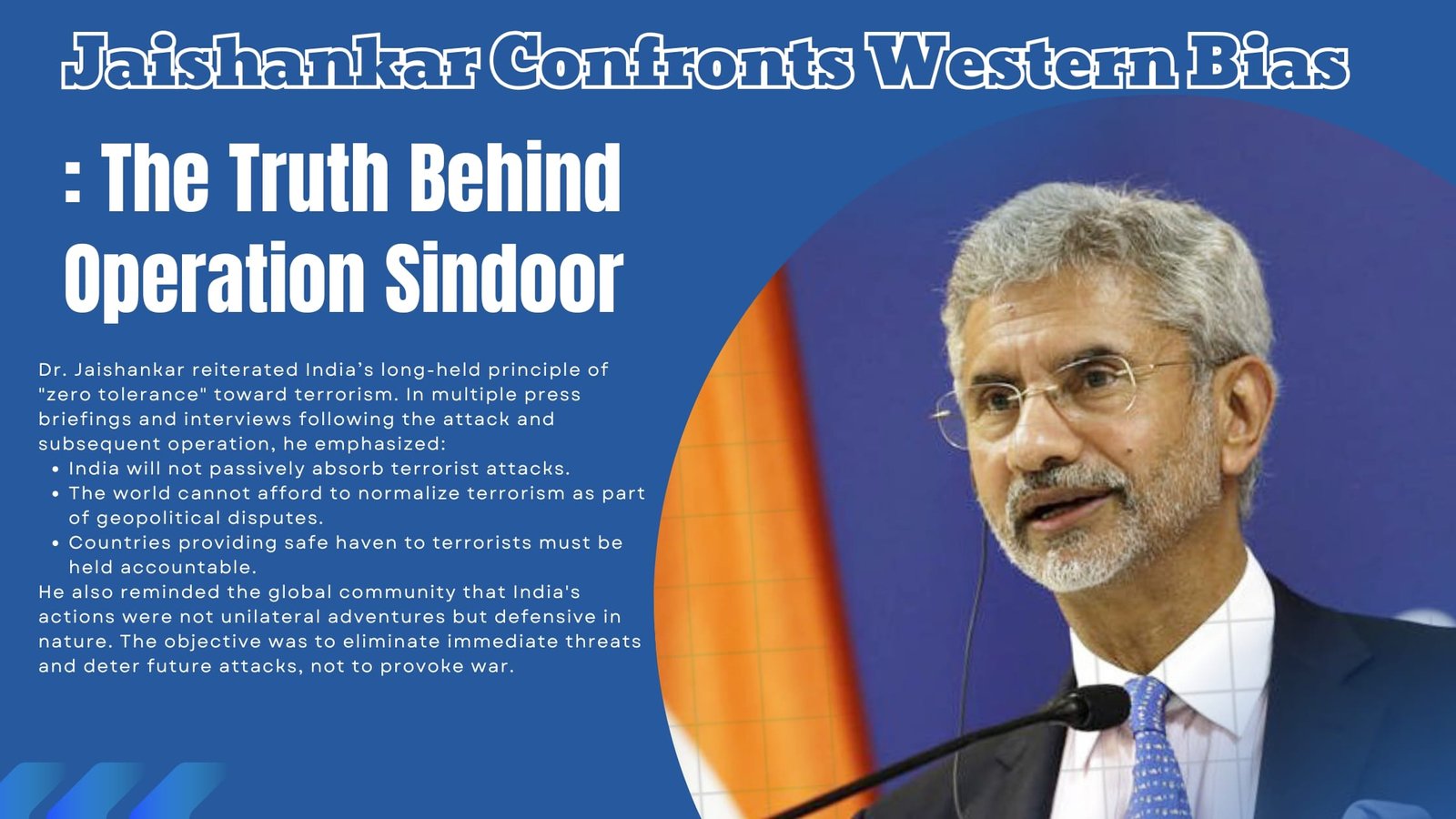

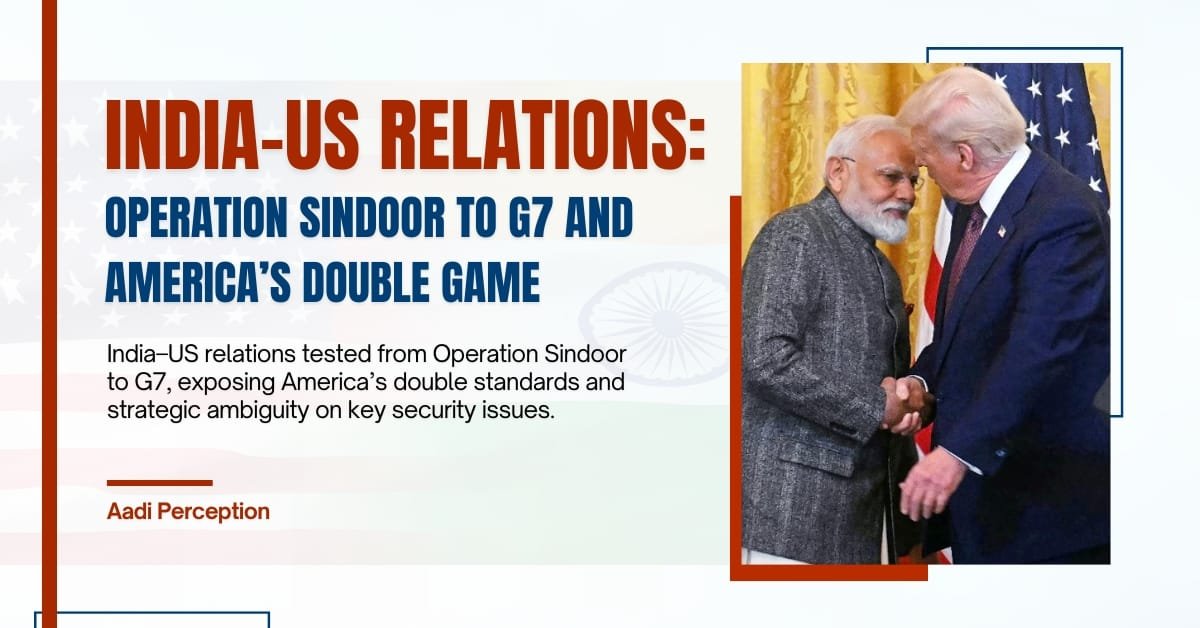
In the complex landscape of international diplomacy, the recent events surrounding Operation Sindoor and its aftermath have shed light on the intricate dynamics of India-US relations. This article delves into the nuances of this pivotal moment in bilateral ties, exploring the implications of the US double-game and its impact on the strategic partnership between the two nations.
The Genesis: Operation Sindoor
On May 7, 2025, India launched Operation Sindoor, a precision strike targeting terrorist infrastructure deep within Pakistan-occupied Kashmir. This bold move came in response to the April 22 Pahalgam terror attack, showcasing India’s resolve to combat cross-border terrorism. For four intense days, both nations engaged in cross-border strikes, culminating in a ceasefire on May 10.
The Ceasefire Controversy
While the ceasefire resulted from direct military-to-military communication between India and Pakistan, US President Donald Trump‘s subsequent claims of brokering the agreement sparked controversy. Trump repeatedly asserted that his team, particularly Vice President Vance and Secretary Rubio, had mediated the ceasefire.
India’s Firm Stance
Prime Minister Modi swiftly rebuffed these claims during the June 18 G7 phone call, emphasizing India’s rejection of third-party mediation in bilateral matters. The Ministry of External Affairs further clarified, “India has never accepted—and will never accept—foreign mediation in its matters with Pakistan.”
The US Double-Game Unveiled
The US response to Operation Sindoor revealed a complex strategy:
- Initial Caution: The US initially called for calm and diplomacy.
- Shifting Narratives: American officials later amplified Pakistan’s perspective on the conflict.
- Trump’s Leverage Attempt: The US President linked geopolitics with trade negotiations, claiming a central role in crisis resolution.
This inconsistent approach created a perception that US strategic interests were prioritized over steadfast support for India’s actions.
Domestic Political Ripples
The controversy sparked intense debate within India:
- Opposition Pressure: Congress demanded a parliamentary session to address Trump’s claims.
- Expert Analysis: Renowned figures like Shashi Tharoor characterized Trump‘s statements as publicity stunts rather than formal mediation.
Implications for India-US Relations
- Tested Partnership: Despite narrative friction, defense and strategic cooperation remain robust.
- Narrative Sovereignty: India signaled its unwillingness to allow global actors to influence bilateral disputes.
- US Engagement Recalibration: The incident highlighted the need for more nuanced diplomatic communication from the US.
Key Takeaways
- Policy Messaging: India reinforced its stance against third-party mediation.
- Strategic Autonomy: The episode underscored India’s commitment to independent foreign policy.
- Domestic Accountability: Opposition scrutiny ensured transparency in diplomatic dealings.
Looking Ahead
As India and the US navigate this complex terrain, several focus areas emerge:
- Defense and Counter-Terrorism: Expect deeper cooperation in arms, intelligence, and Indo-Pacific strategy.
- Trade and Technology: Negotiations will proceed, with the US respecting India’s autonomy in bilateral matters.
- Narrative Management: India will remain vigilant about external attributions and third-party claims.
- Diplomatic Recalibration: The US may refine its public diplomacy to align with India’s sovereignty concerns.
Conclusion
Operation Sindoor and its aftermath have tested the India-US partnership, revealing both strengths and areas for growth. As both nations move forward, the emphasis on mutual respect, strategic autonomy, and shared goals will be crucial in shaping a resilient and productive bilateral relationship. The US double-game has prompted a reevaluation of engagement strategies, potentially leading to a more mature and balanced partnership in the future.