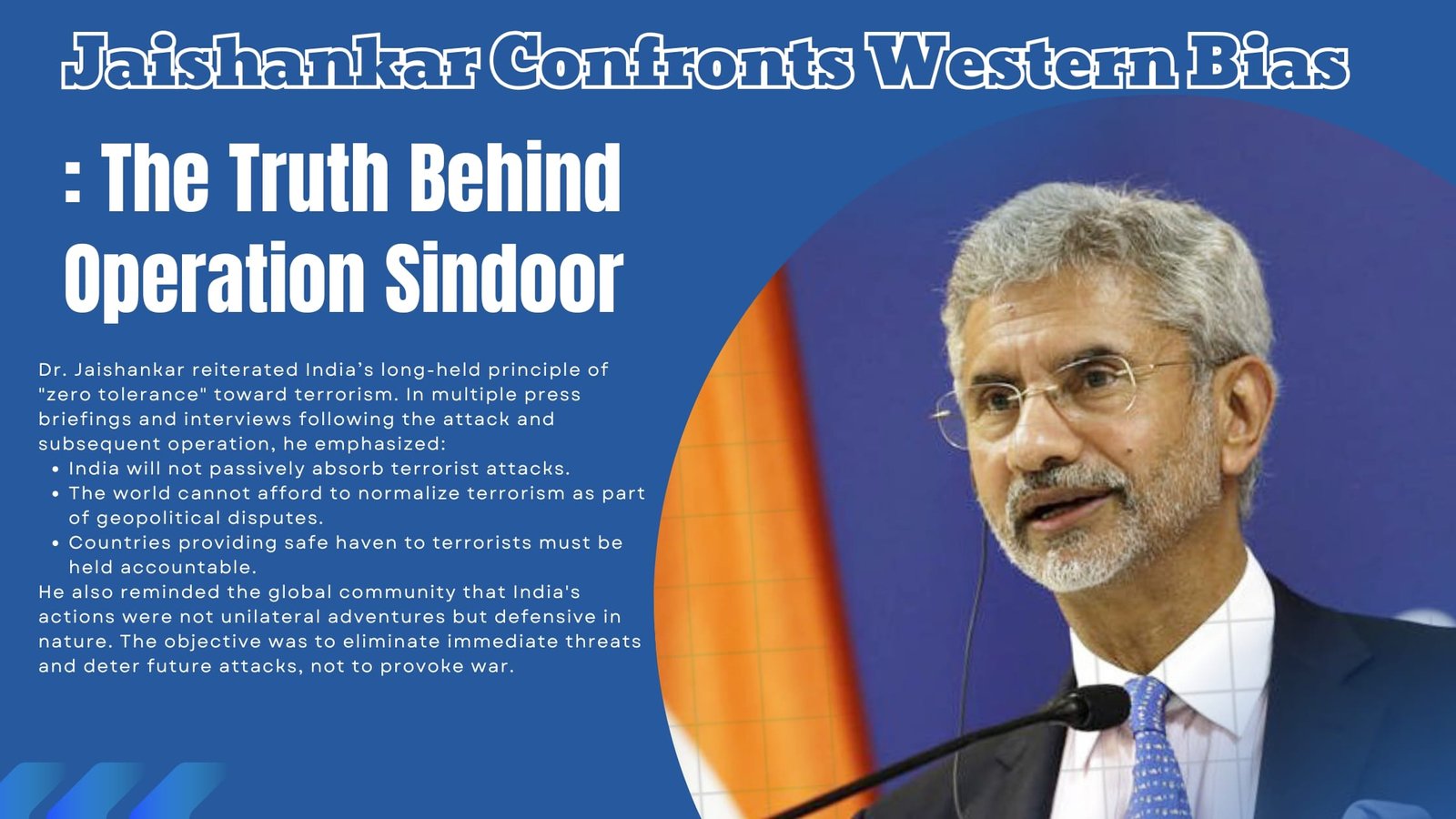


🟥 Pahalgam Terror Attack – April 22, 2025
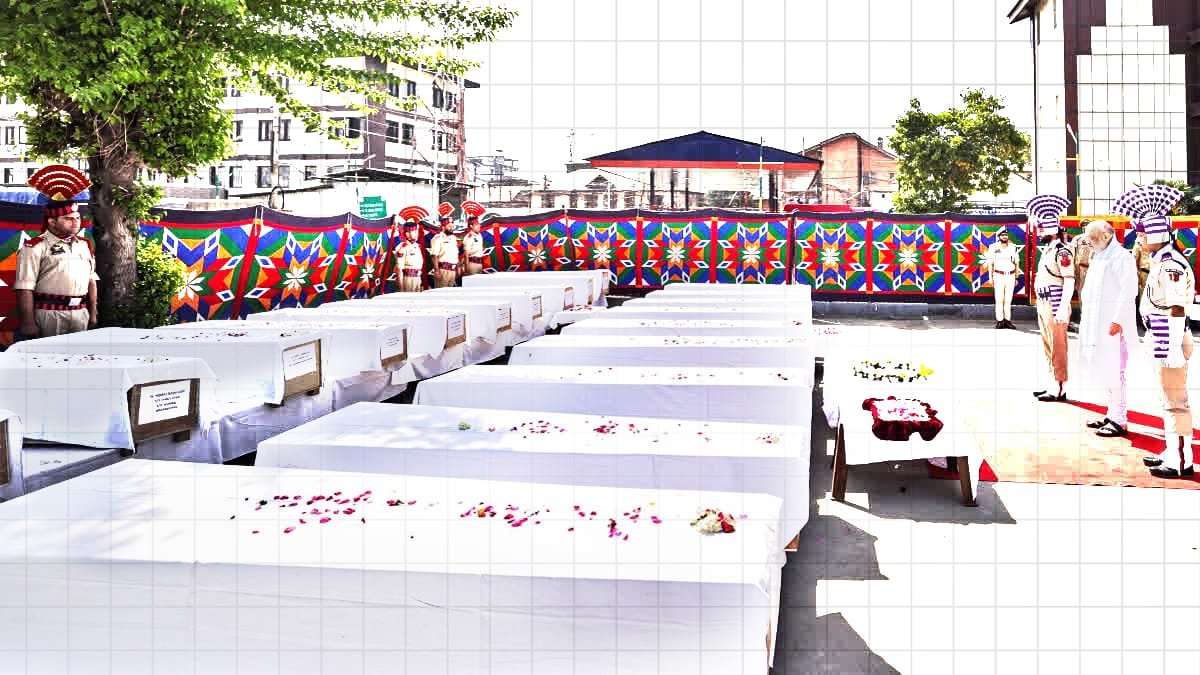
On April 22, 2025, a tragic terrorist assault struck the Baisaran Valley near Pahalgam in Jammu and Kashmir. Pakistani terrorists dressed as Indian Army soldiers infiltrated into the Indian union territory and opened fire on tourists, There, they seperated men from their families, check tourists identities, Ask them to “say aloud Quran”. Still they(terrorists) have doubt, Ask them to open trousers to check whether muslims or not and if they could not recite the Quran, they executed them infront of their families resulting in the deaths of 26 people, including 25 Indians and a Nepali national. The Resistance Front (TRF), a faction rooted in the Pakistan-based terror group Lashkar-e-Taiba, claimed responsibility. This was the region’s most severe terrorist event since the Pulwama attack in 2019.
🛑 Indus Waters Treaty Put on Hold

In a decisive reaction to the attack, India declared the suspension of the Indus Waters Treaty with Pakistan. decision was part of a larger plan to hold Pakistan accountable for allegedly supporting cross-border terrorism. The suspension’s objective was to place pressure on Pakistan by affecting its access to essential water resources.
The Indian government formally informed Pakistan of this decision, stressing that the treaty would be suspended until Pakistan took genuine and permanent measures to dismantle terrorist infrastructure based on its territory.
🔺 Operation Sindoor – May 7, 2025
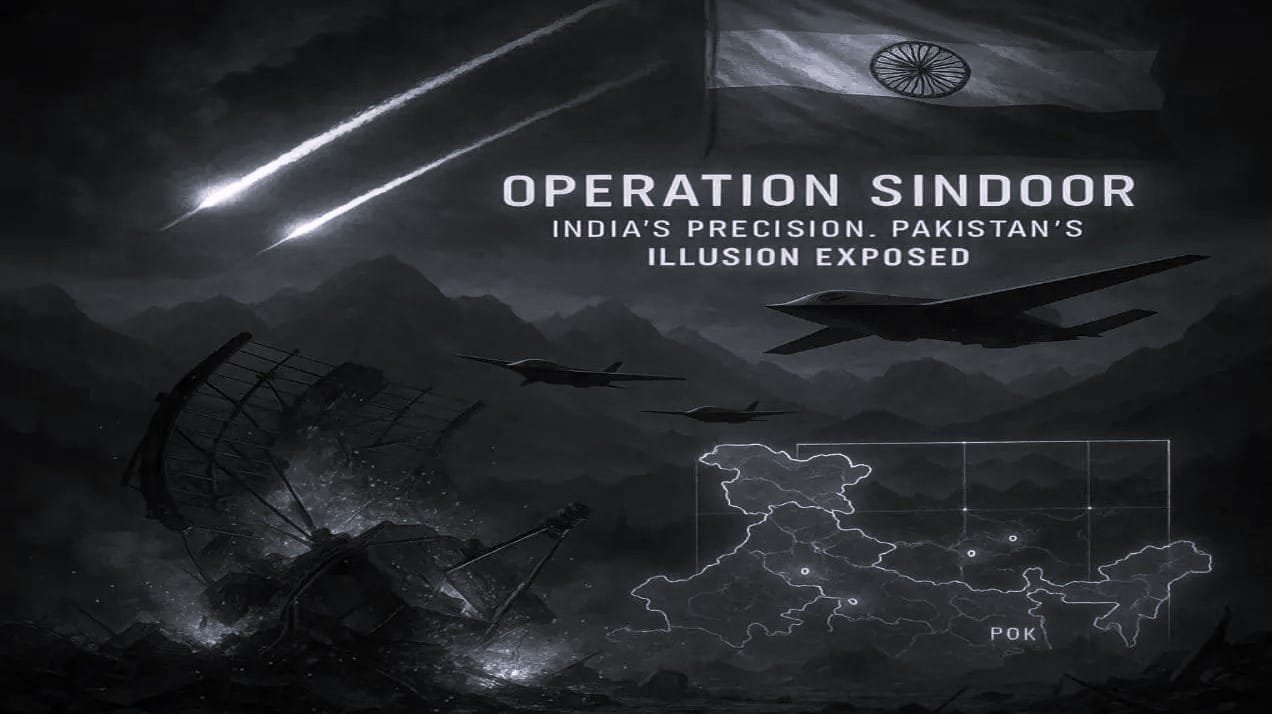
In response, on May 7, 2025, the Indian Armed Forces carried out “Operation Sindoor.” for the heinous act of Pakistan involvement in Pahalgam terror targetted attack on innocent civilians of India. This precise military action targeted nine terrorist facilities in Pakistan and Pakistan-occupied Jammu and Kashmir (PoJK), including sites in Bahawalpur and Sialkot. The operation was conducted swiftly, concluding in about 25 minutes, and annihilated over 100 terrorists, including key figures like IC-814 hijacker Yusuf Azhar.
The operation highlighted India’s improved military prowess, particularly in advanced warfare techniques using drones, missiles, and integrated air-defense systems. Missiles such as the BrahMos and Akash, tested at the Integrated Test Range (ITR) in Chandipur, were used effectively during these attacks.
🌍 Diplomatic Outreach and Global Engagement

Following the execution of Operation Sindoor, India embarked on a significant diplomatic initiative to counteract Pakistan-sponsored terrorism. The government formed seven all-party delegations consisting of 51 political leaders, including parliamentarians and former ministers from various parties. These groups were sent to major world capitals to communicate India’s resolve against terrorism.
Moreover, India presented a dossier to the United Nations Security Council (UNSC) sanctions committee, revealing the involvement of The Resistance Front (TRF) in the Pahalgam attack and pushing for global recognition of the group’s terrorist actions.
🛡️ Internal Security Measures and Military Preparedness
Domestically, India approved emergency defense procurement worth ₹40,000 crore to enhance military readiness under Operation Sindoor. This funding aimed at fast-tracking the acquisition of essential defense equipment to address immediate operational needs.
The Indian Army also engaged in discussions with Pakistan’s Director General of Military Operations (DGMO) to maintain confidence-building measures and reduce border alert levels, aiming to prevent further escalation.
🕊️ Aftermath and Ongoing Concerns
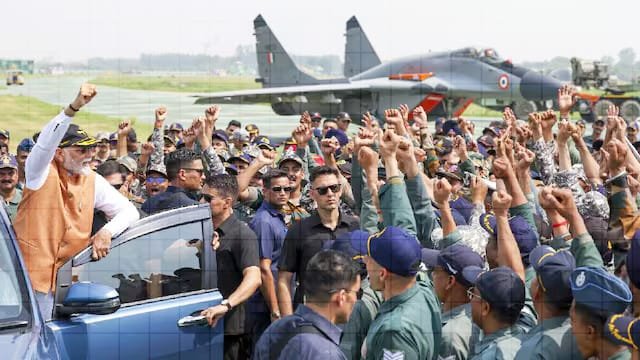
Despite the success of Operation Sindoor, tensions between India and Pakistan continued to run high. During the operation, India was targeted by significant cyberattacks orchestrated by state-backed hackers and hacktivists from various nations.
The Indian government stressed that although military actions have temporarily ceased, any future provocations will be met with firm responses. The operation underscored India’s dedication to counter-terrorism and its readiness to take calculated measures without escalating into a full-scale war.
This series of events underscores the complexity of regional security matters and the challenges of dealing with cross-border terrorism. India’s strategic response through Operation Sindoor and subsequent diplomatic initiatives reflect a comprehensive approach to national security and international diplomacy.